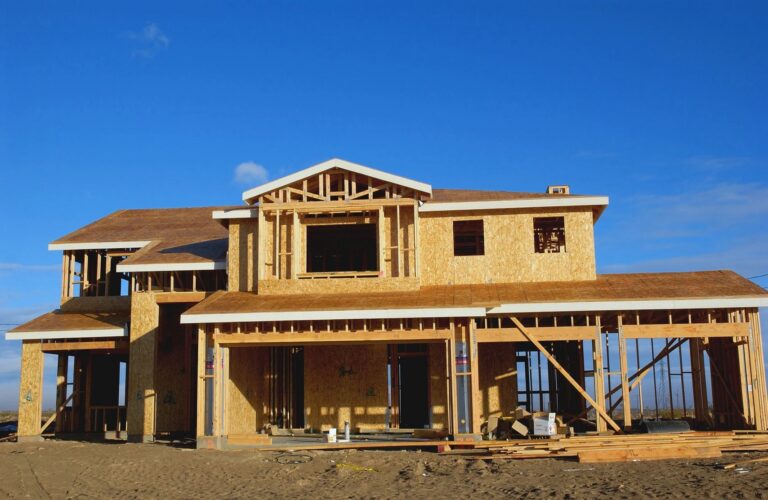
Why Inspect A Brand New Home?
A brand-new home isn’t always a problem-free home. Many different trades work on it, schedules are tight, and the county building inspector checks for code compliance, but isn’t looking out for you as the buyer. This guide explains the new home inspection stages buyers often schedule on new construction, what Maryland’s new home warranty covers, and why you’ll probably still want inspections even if you have a warranty.
Why inspect a brand-new home?
County inspections make sure the work meets minimum code at certain stages. An independent inspector you hire works for you. They look at workmanship, installation details, and the things that are easy to miss—and, most importantly, they can catch them while they are still visible. Once the walls are closed and the soil is backfilled, problems are expensive to reach.
One practical point: many builders limit access to the construction site. Ask about independent inspections before you sign the contract, and make sure your right to inspect and the notice you’ll get before key stages are in writing.
The new home inspections to consider, stage by stage
1. Foundation inspection
This inspection is often done in two visits. The first visit is before the concrete is poured to check footing size, placement, and reinforcing steel. The second is before the foundation is backfilled to check waterproofing or damp-proofing, drainage, and the condition of the walls. After backfill, you can’t see any of this again.
2. Pre-drywall inspection: framing and rough-ins together
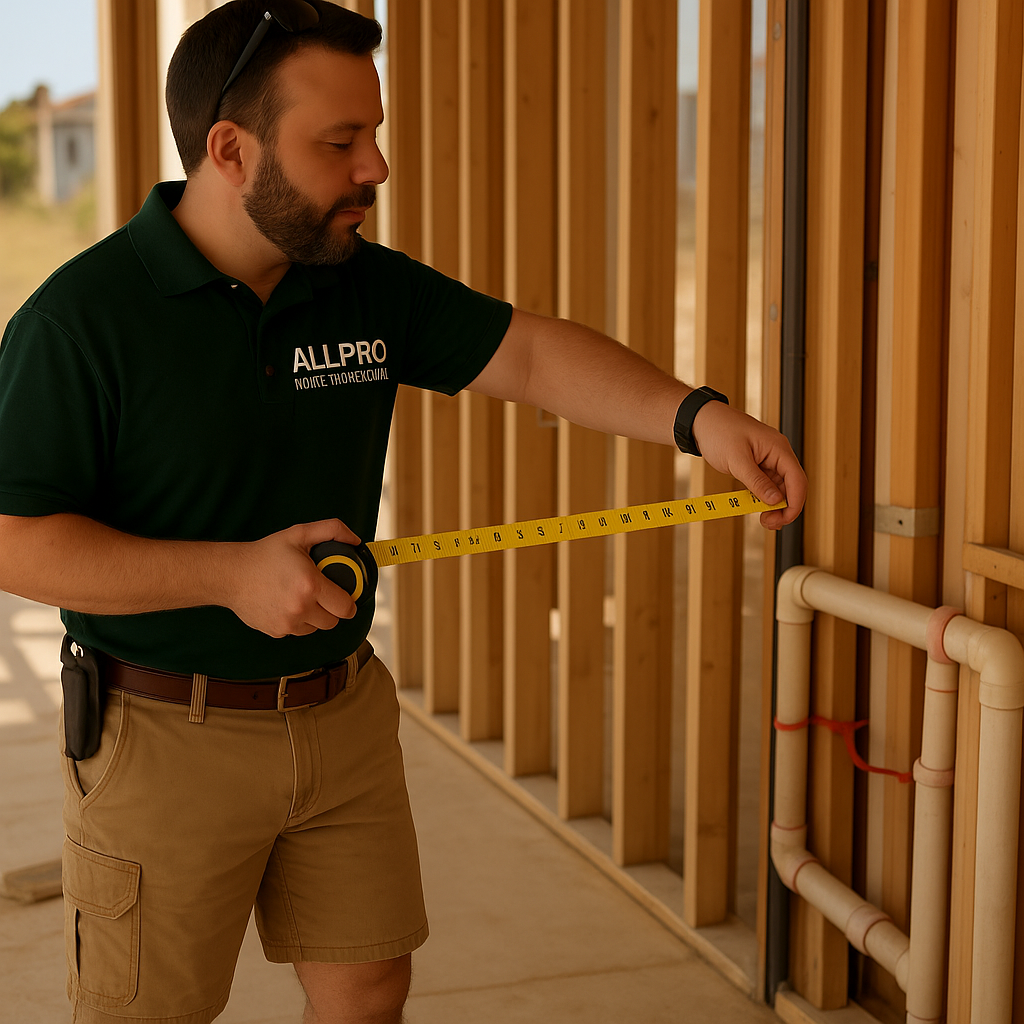
Framing, electrical rough-in, plumbing rough-in, and HVAC rough-in are usually finished around the same time, so this is typically one inspection. It’s scheduled after those trades are done and before insulation and drywall cover the work. Your inspector can check:
- Structural framing, connections, and openings for windows and doors
- Electrical wiring, boxes, and panel
- Plumbing supply and drain lines
- HVAC ductwork and venting
- Window and door flashing and other water-intrusion details
If your builder’s schedule separates these stages (for example, if framing finishes weeks before the rough-ins), it makes sense to schedule one inspection when everything is exposed, and not before.
3. Insulation and energy testing (optional add-on)
Gaps, voids, and compressed insulation are common and hard to spot once the drywall is up. Ask whether the builder’s air-leakage and duct-testing results are available to you, or think about hiring your own energy tester. This is optional, but it can affect your comfort and utility bills for years.
4. After-drywall inspection (optional)
Some buyers schedule a quick check after the drywall is finished and before painting, to catch any finish defects while they are easiest to fix. This is a separate, optional inspection from the final one listed next.
5. Final inspection and pre-settlement walkthrough
When the home is mostly finished, a final inspection covers the operating systems, roof, windows and doors, grading and drainage, and the finishes. The builder will also hold a pre-settlement walkthrough, sometimes called an orientation. Use both to create a written punch list of items the builder needs to finish, and ask that it be done before settlement.
6. The 11-month inspection
New houses settle and dry out during their first year, and problems often show up only after the seasons change. Have the home re-inspected before the one-year warranty ends so you can report anything you find to the builder in time.
What does Maryland’s new home warranty cover?
Maryland law requires builders to disclose in writing, before you sign, whether they provide a state-approved warranty plan. Most builders offer a New Home Warranty Security Plan, which mandates a 1-2-5 year coverage tier: 1 year for general workmanship, 2 years for major systems (electrical, plumbing, HVAC), and 5 years for major structural defects.
If a builder advertises a “10-year warranty,” read the fine print. The extended coverage for years 6 through 10 is strictly limited to major structural failures that make the home unsafe or unlivable—it will not cover minor settling or cosmetic cracks.
This is general information, not legal advice. For more on builder warranty responsibilities, see the Montgomery County Office of Consumer Protection summary (PDF). Have an attorney review your contract if you have questions about your specific warranty.
If there’s a warranty, why still inspect?
A warranty helps after a problem is found. You still need to find the issue, document it, and report it within the coverage period.
Problems are cheapest to fix while the walls are still open. Fixing wiring or flashing before the drywall goes up is much easier than opening a finished wall later.
Coverage has limits. Warranties have exclusions and time limits, and the builder might dispute a claim.
You get a baseline. Inspection reports show the home’s condition at each stage, which helps if there’s ever a dispute.
Quick answers
Doesn’t the county inspection cover this? County inspections check for minimum code compliance at certain stages. They are not a quality review done for you.
Do I need every inspection listed here? Not necessarily. Most buyers focus on the pre-concrete foundation visit, the pre-drywall visit, the final inspection, and the 11-month inspection. The others are helpful add-ons depending on your home and budget.
When should I arrange inspections? Do this before you sign the builder’s contract, so access and timing are in writing.
Questions about buying new construction?
This is just an overview, and every builder’s process is a bit different. We’re happy to explain how it works in more detail, suggest questions to ask your builder, and answer any other questions about buying a new home in Montgomery County. Call us at 240-403-0400, extension 319, or send us an email.
Looking for a new home before it hits the market? Request our New Home Report and learn about the New Homefinder Program, where we help buyers find new construction, including homes that aren’t yet publicly listed.
Charles Chapman and Debbie Browne
The Encore Team, RE/MAX Realty Services
15245 Shady Grove Road, Suite 100, Rockville, MD 20850