Part 2: Why Close-In Neighborhoods Like Bethesda Hold Their Value When the Market Slows
When the housing market slows or falls, it doesn’t fall evenly. Some neighborhoods barely feel it. Others take a real hit. In Montgomery County, distance from the region’s core has historically been the dividing line.
Decades of growth, not enough homes
For most of the past half-century, Montgomery County and the Washington region have gained population and jobs year after year. The federal government, the institutions around it, and the companies that grew up to serve it drew people here steadily.
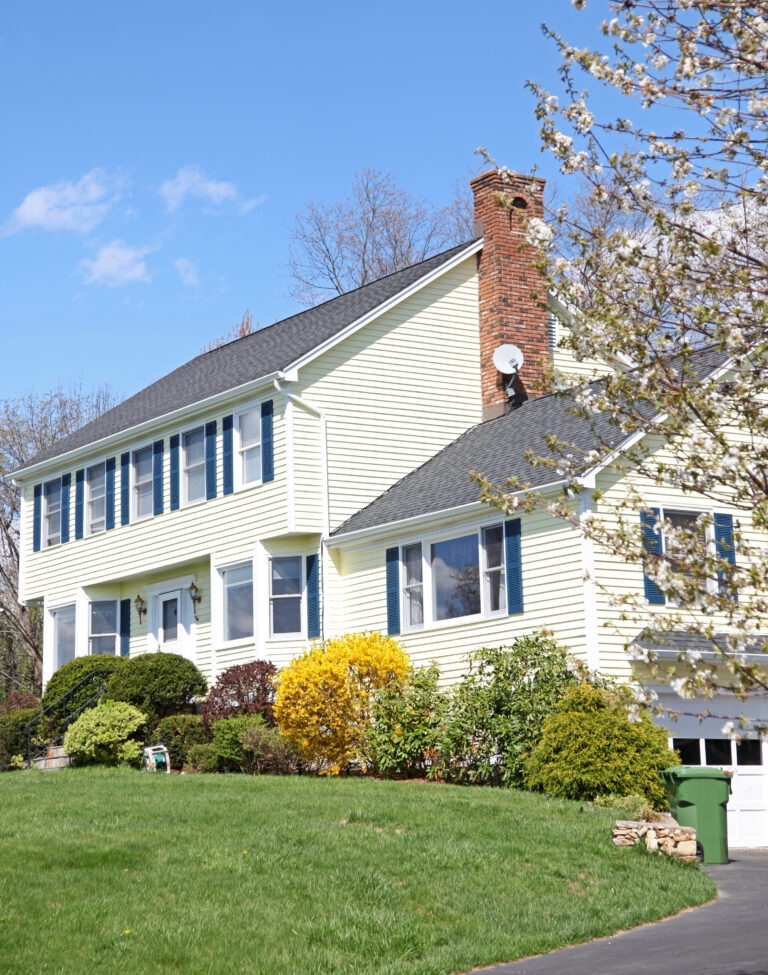
Housing didn’t keep up, especially close in. Neighborhoods like Bethesda, Chevy Chase, and Potomac were largely built out decades ago. Little vacant land remains, and new homes there mostly replace old ones rather than adding to the total. Most new construction went farther out, where land was available.
The result is a long-term imbalance. Demand for close-in homes has kept growing, while the supply has stayed nearly fixed.
What that means in a downturn
When the market cooled after 2006, values in close-in neighborhoods held up much better than in outlying areas. Bethesda prices were still rising in 2007, when the median sale price reached $765,000, up 4% from 2006. At the bottom in 2009, the Bethesda median was about 9% below that peak and only about 6% below its 2006 level. By 2013, it was back above the 2007 peak. County-wide, the drop was far steeper: state housing data show the median price paid by repeat buyers in December 2009 was about 25% below December 2005.
There are a few reasons this pattern repeats:
- Scarcity. When few homes come on the market, even a weaker market still has enough buyers to absorb them.
- Location. Close-in homes are near Metro, major employers like NIH and Walter Reed, and downtown Washington. In difficult times, buyers value short travel and convenience more, not less.
- Buyers with deeper pockets. Many close-in buyers have higher incomes, more savings, or cash. They are less sensitive to interest rates and less likely to be forced to sell.
- Less new competition. In outer areas, builders can add new homes during a slowdown and compete with resale homes. That rarely happens close in.
The honest caveats
This pattern isn’t a guarantee. Population growth has slowed sharply lately: the county added only about 1,500 residents between mid-2024 and mid-2025, and fewer people are moving here from abroad. Bethesda also has a specific exposure this time, because NIH is a major local employer and has been affected by federal cuts.
Still, the long-term shortage of close-in homes remains. A slower year doesn’t undo decades of under-building. That’s why, if the market stays sideways or dips, close-in neighborhoods are likely to hold their value better than farther-out areas.
In Part 3, we’ll look at what a sideways market means for buyers and sellers, and whether waiting is really the smart move, in the market we’ve been building toward.
Sources
- Bright MLS closed-sales statistics, Bethesda, 2006–2015
- Maryland DHCD housing market analysis (county median prices, 2005–2009)
- The Banner: 2025 county population estimates
- Brookings: Federal cuts and Maryland’s economy